How to Choose the Right Dune Buggy in Dubai
Understanding Your Dune Buggy Options in Dubai
Dubai's desert landscape offers a unique setting for off-road adventures, and a dune buggy is one of the most popular ways to explore it. Whether you are a first-time visitor or a seasoned rider, picking the right buggy for the terrain and your skill level matters. The wrong choice can turn an exciting trip into a frustrating or even unsafe experience. This guide walks through the key steps to help you decide.
Step 1: Assess Your Experience Level
The first thing to consider is your own comfort behind the wheel. Dune buggies range from simple, beginner-friendly models to high-performance machines that require some off-road driving experience. If you have never driven on sand before, look for a buggy with automatic transmission and power steering. These features reduce the learning curve and let you focus on reading the dunes rather than wrestling with the controls. More experienced drivers might prefer a manual-shift buggy or one with a higher horsepower engine, as these give greater control over speed and momentum on steep slopes.
Another factor is the type of sand you will encounter. Soft, powdery sand demands a lighter touch and a buggy with good flotation tires. Harder, compacted dunes allow for more aggressive driving. Rental operators can advise on which buggy models suit the conditions on a given day. Be honest about your skill level when booking, as this helps ensure you get a machine that matches your abilities.
Step 2: Choose the Right Buggy Model
Not all dune buggies are built the same. Some are designed for speed on flat stretches, while others excel at climbing steep dunes. A common choice for desert safaris is a two-seater buggy with a roll cage and harness seatbelts. These are stable and easy to maneuver. Larger four-seater models offer space for a passenger but can feel heavier on soft sand. Pay attention to the buggy's suspension system as well. A model with long-travel shock absorbers handles bumps and dips better, reducing fatigue on longer rides.
Engine size matters too. A buggy with a 500cc to 800cc engine is generally a good balance of power and control for most riders. Anything larger may be too much for a beginner, while smaller engines can struggle on steep dunes. If you are renting, ask about the buggy's maintenance history. Well-maintained buggies with fresh tires and properly adjusted brakes are safer and more reliable.

Desert Safari Dubai - Dune Buggy & Quad Biking Dubai is also on YouTube.
Step 3: Consider Safety Gear and Features
Safety should never be an afterthought. A good rental provider will include a helmet, goggles, and a full-face balaclava to protect against dust and sun. Check that the helmet fits snugly and does not obstruct your vision. Goggles should be scratch-free and offer UV protection. Some operators also provide gloves and padded suits, which are helpful on longer trips.
The buggy itself should have a working seatbelt or harness, a sturdy roll cage, and a kill switch that cuts the engine if you are thrown from the seat. Before heading out, inspect the tires for cuts or low pressure. Soft sand requires lower tire pressure for better traction, but too low can cause the tire to come off the rim. An experienced guide will check these things, but it is worth confirming with the operator that all safety gear is in good condition.
Step 4: Understand the Terrain and Route
Dubai's desert has different dune types. Crescent dunes, star dunes, and linear dunes each present unique challenges. Crescent dunes are common in the Al Marmoom area and offer gentle slopes suitable for beginners. Star dunes, found deeper in the desert, have steep faces that require careful approach angles. If you are not confident in your off-road driving skills, choose a route that sticks to easier terrain. Many operators offer guided tours that follow marked paths, which reduces the risk of getting stuck or lost.
Time of day also affects the sand's behavior. Early morning and late afternoon have cooler temperatures and softer sand, making driving easier. Midday heat can soften the sand further, increasing the chance of bogging down. Ask about the route length and expected duration. A two-hour ride is common for a first-timer, while more experienced riders might opt for a half-day trip.
Step 5: Check Permits and Regulations
Dune buggy riding in Dubai is regulated by the local authorities. Some areas require a permit, especially for self-guided tours. Most rental operators handle the necessary paperwork, but it is worth verifying that the company you choose is licensed and follows the rules. Riding in restricted zones can lead to fines or confiscation of the buggy. A reputable operator will brief you on the permitted areas and any speed limits. For example, some conservation zones have a maximum speed of 40 km/h to protect wildlife. Ignorance of these rules is not an excuse, so ask before you go.
Step 6: Review Rental Terms and Insurance
Before booking, read the rental agreement carefully. Look for details about damage liability, fuel policy, and cancellation terms. Some operators charge a security deposit, while others include insurance in the rental fee. Understand what happens if you cause damage to the buggy. Many companies offer a damage waiver for an extra fee, which limits your financial exposure. If you are driving in a group, check whether the price includes a guide or if that is extra. Also confirm what happens in case of a breakdown. A good operator will have a support vehicle on standby.
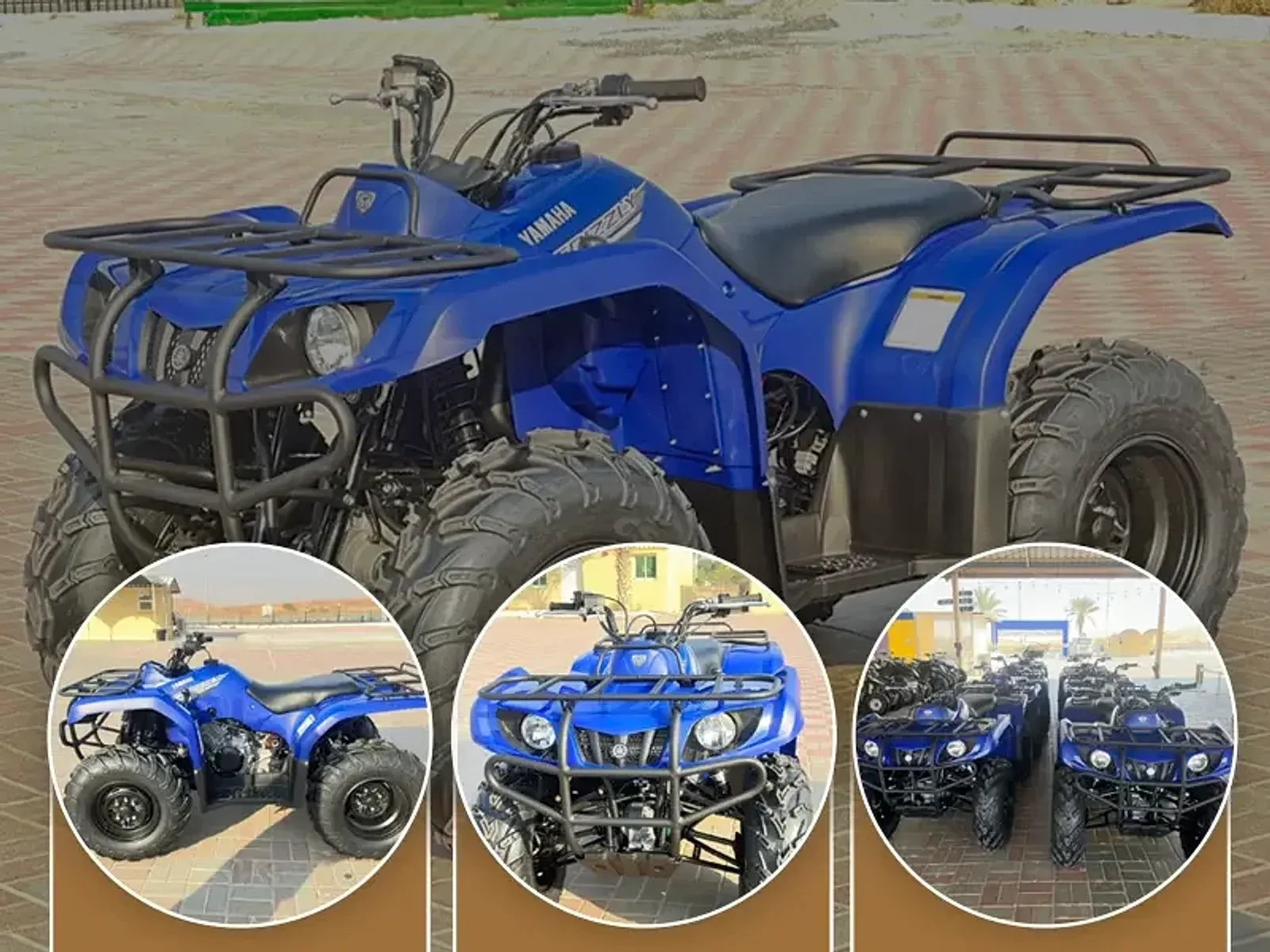
It is also worth asking about the buggy's fuel capacity. Some models have a small tank and may need a refill mid-trip. Others have larger tanks that last the entire ride. Running out of fuel in the desert is a hassle, so knowing this in advance helps you plan.
Step 7: Think About the Experience You Want
Finally, consider what kind of experience you are after. A solo ride gives you full control and the freedom to set your own pace. A guided tour offers local knowledge and the security of having an expert lead the way. Some people enjoy the thrill of high-speed runs over open dunes, while others prefer a more relaxed pace that allows for photography and wildlife spotting. Decide what matters most to you and choose a buggy and route that match that vision.
One local option to consider is Desert Safari Dubai - Dune Buggy & Quad Biking Dubai. They offer a range of buggies suitable for different skill levels and can advise on the best choice for the day's conditions.
If you are traveling with children, check age and height requirements. Many operators have minimum age limits for drivers and passengers, often around 12 years old for a passenger and 16 for a driver. Safety seats are rarely available in buggies, so small children may need to ride in a separate vehicle. Confirm these details with the operator before booking.
Final Tips for a Smooth Ride
Once you have chosen your buggy and route, a few practical steps can make the experience better. Wear light, breathable clothing and closed-toe shoes. Sunscreen and sunglasses are essential, even in winter. Bring plenty of water, as dehydration can sneak up on you in the desert. A small backpack with snacks and a first-aid kit is also handy. If you are prone to motion sickness, consider taking a preventative measure beforehand, as the constant up-and-down motion over dunes can trigger it.
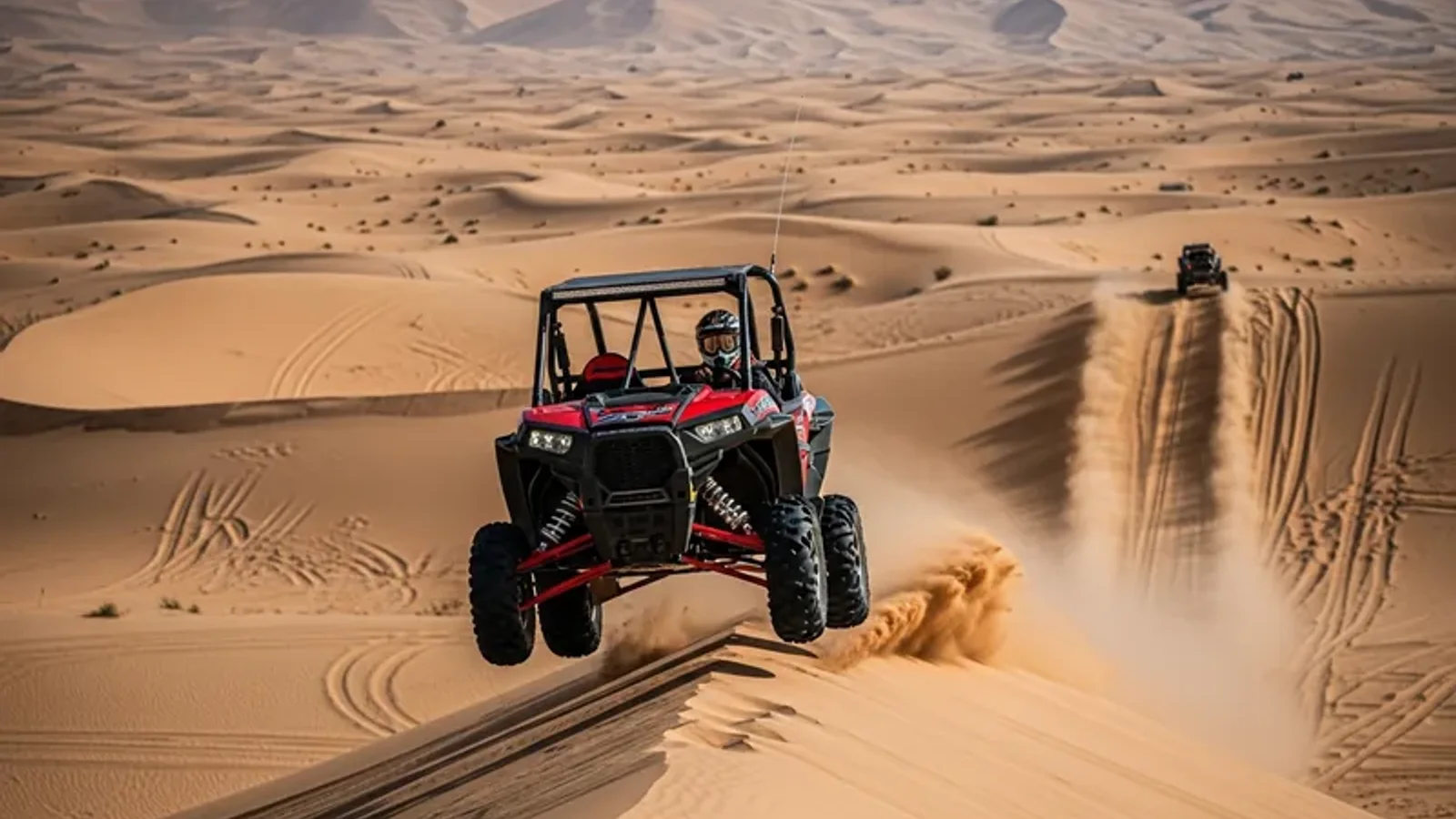
When driving, keep a light touch on the steering wheel and avoid sudden movements. Sand shifts under the wheels, so anticipate slides and correct gently. If the buggy starts to tip, steer into the slide rather than away from it. This technique helps maintain balance. Practice on a flat area first to get a feel for the buggy's handling before tackling the dunes.
For those looking to book a dune buggy experience in Dubai, Desert Safari Dubai - Dune Buggy & Quad Biking Dubai is located at Cascades Tower - Al Marsa St - Marsa Dubai - Dubai - United Arab Emirates, and can be reached at +971 52 447 2719.
Ends · DUNEBUGGYDUBAINOTES